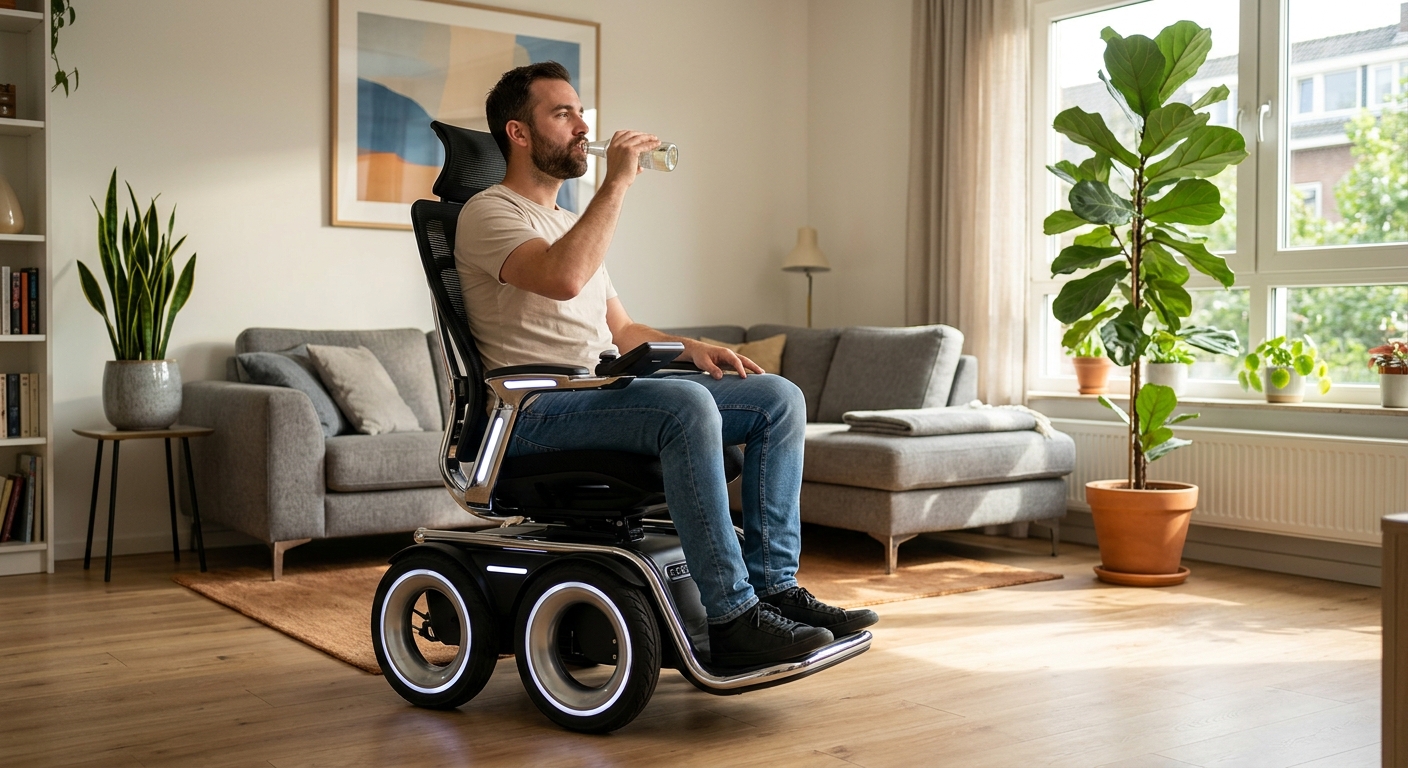
Cleaning vast spaces, whether a sprawling warehouse floor or an expansive residential property, has long been a physically demanding and time-consuming task. Traditional vacuuming methods require hours of walking, pushing, and maneuvering heavy equipment, leading to fatigue and reduced productivity. But what if you could achieve a superior clean for a massive area without ever taking a step? This is the revolutionary promise of riding vacuums, a groundbreaking category of automated cleaning equipment designed to transform the most challenging jobs into an effortless, efficient, and even enjoyable experience.
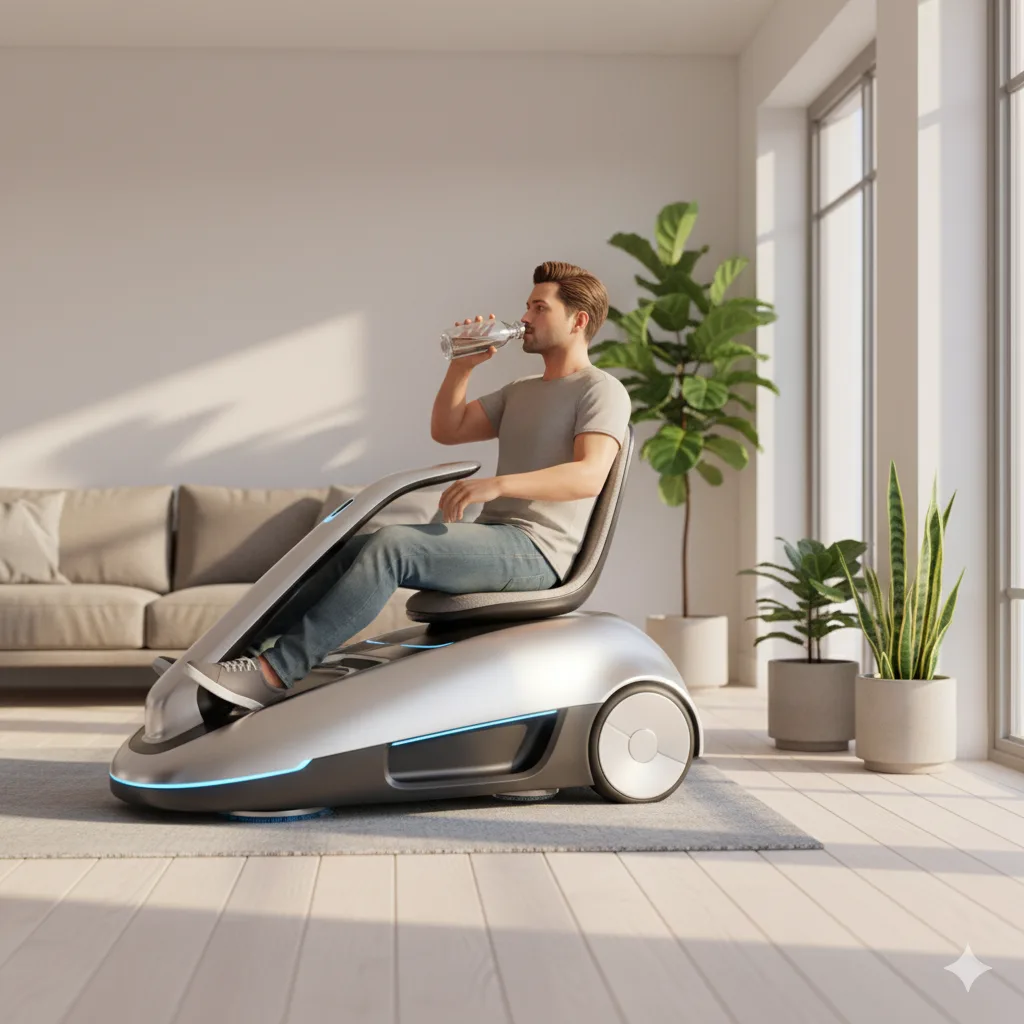
This isn’t just an incremental upgrade; it’s a fundamental shift in our approach to large space cleaning. By combining the mobility of a small vehicle with the power of high-capacity suction, these machines tackle square footage in minutes that would take hours with conventional tools. They represent the pinnacle of modern cleaning technology, offering a smarter, not harder, solution for maintaining pristine environments.
The Design Philosophy Behind Riding Vacuums
The concept of riding vacuums was born from a simple yet powerful observation: the biggest obstacle to cleaning large areas is operator fatigue. Pushing a heavy upright or pulling a canister vacuum across thousands of square feet is exhausting. The innovation was to re-imagine the process entirely by placing the operator on the machine itself, turning a laborious chore into a controlled, comfortable task. This simple change allows for longer, more consistent, and more productive cleaning sessions.
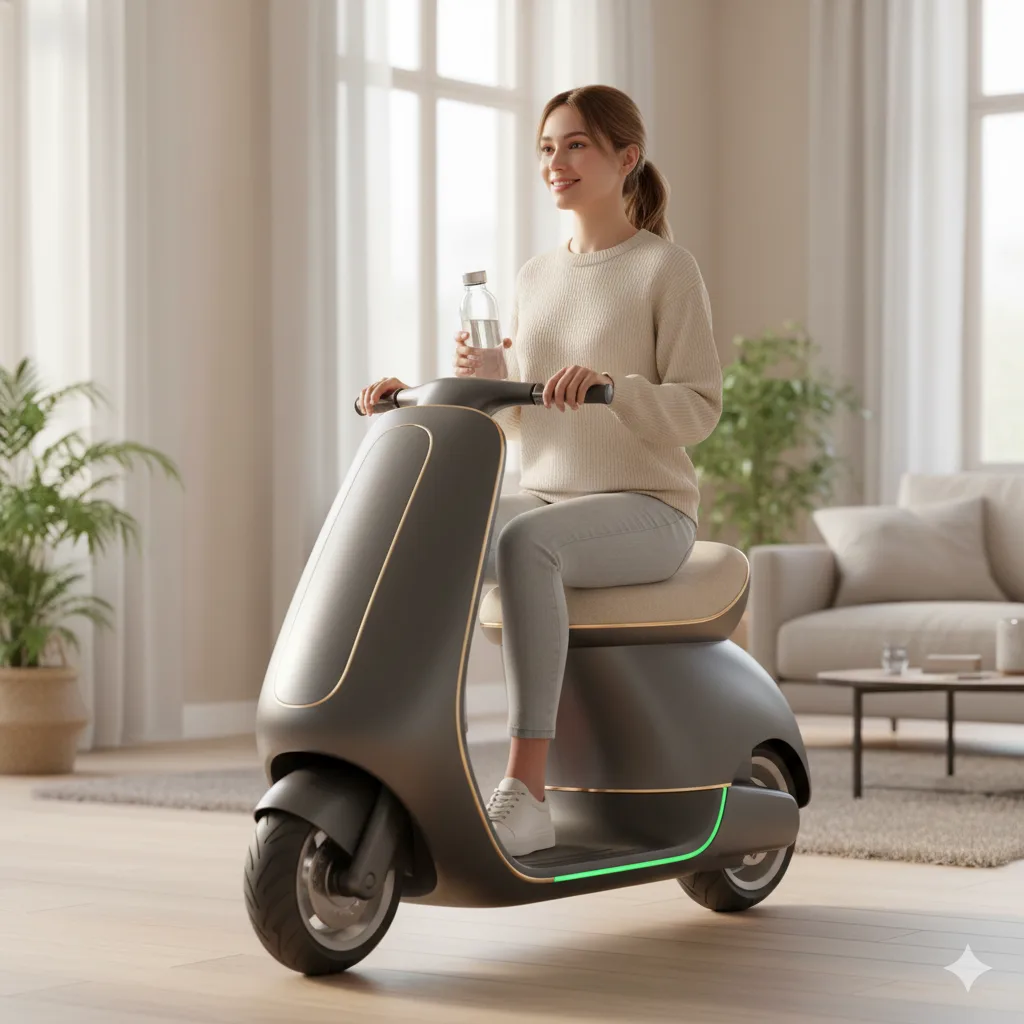
These machines are purpose-built to solve the efficiency puzzle for facility managers and owners of large properties. They address the need for a solution that covers more ground in less time without sacrificing cleaning quality. With wider cleaning paths, often exceeding 30 inches, and massive debris hoppers, riding vacuums dramatically reduce the number of passes and emptying trips required. This focus on maximizing uptime and minimizing physical strain is the core principle that drives their design, making them a cornerstone of modern commercial cleaning solutions.
“The best designs are born from a deep understanding of human needs. In cleaning, the need is not just for cleanliness, but for an efficient and sustainable process that respects the well-being of the operator.”
Who Truly Needs the Power of Riding Vacuums?
While the idea of a ride-on cleaner is appealing, the primary beneficiaries are those managing substantial square footage. For homeowners with large estates, ranches, or multi-car garages, riding vacuums can turn a weekend-long chore into a quick afternoon task, offering a level of effortless home care previously unimaginable. It allows them to maintain their beautiful, expansive properties without the physical toll.
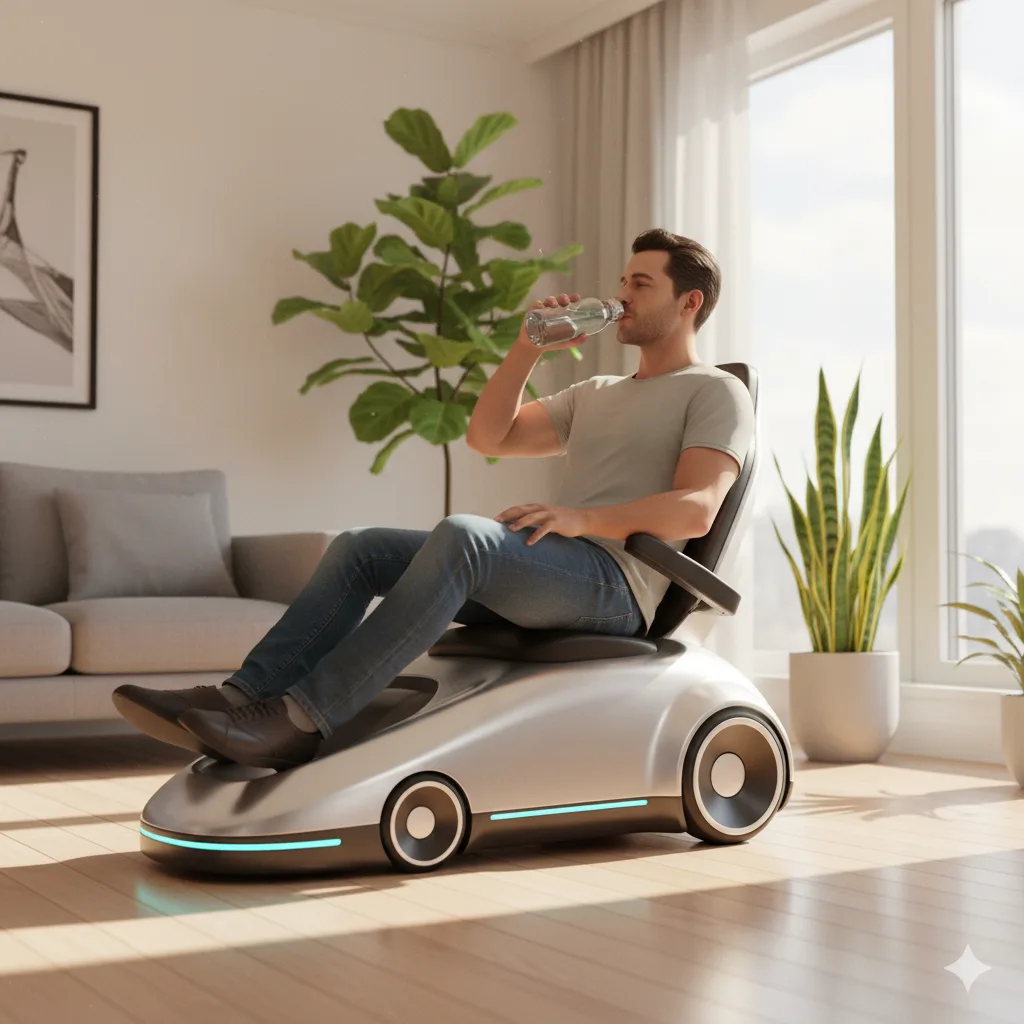
The most significant impact, however, is felt in the commercial sector. Facility managers for airports, convention centers, schools, and shopping malls rely on these machines to maintain standards of cleanliness over vast, high-traffic areas. For commercial cleaning solutions providers, riding vacuums are a force multiplier. A single operator can clean an area that would previously require a team of three or four, leading to significant labor savings and a rapid return on investment. This makes industrial riding vacuums an essential tool for any business where efficiency and cleanliness are paramount.
Read more: The Jelly Bed: Innovative Comfort And Support For Better Sleep
Engineering, Performance, and Care for Riding Vacuums
The impressive capability of riding vacuums stems from a synthesis of intelligent design, powerful components, and user-centric features. Understanding these elements reveals why they are such a game-changer in the world of efficient cleaning machines.
Ergonomic Controls and Operator Comfort
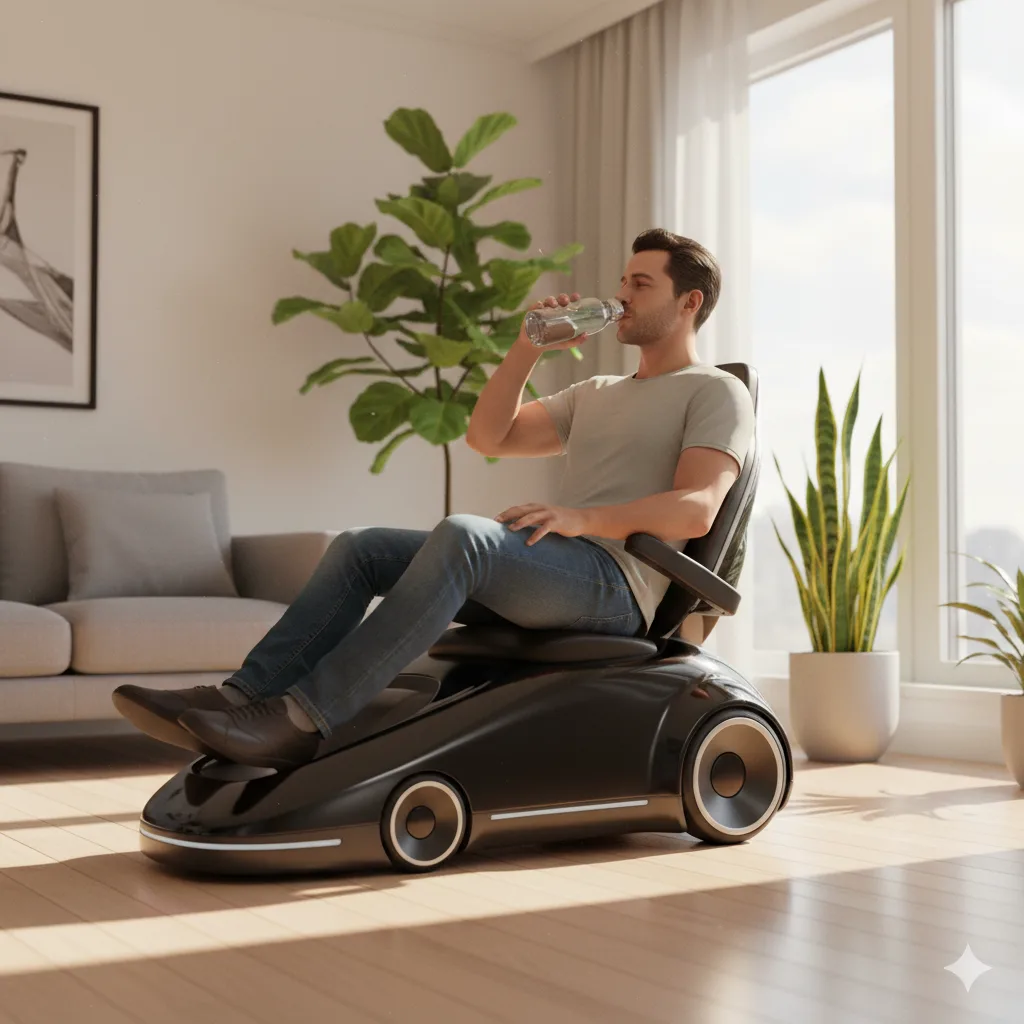
At the heart of the design is the operator. These machines feature adjustable, cushioned seats, intuitive dashboard controls, and excellent sightlines. By eliminating the physical strain of walking and pushing, they drastically reduce operator fatigue. This focus on creating ergonomic cleaning machines not only improves morale but also leads to higher quality work over sustained periods. The operator can focus entirely on navigating and achieving a perfect clean rather than on their own physical exertion.
Unmatched Power and Debris Capacity
Riding vacuums are built with powerful motors that generate immense suction, capable of lifting everything from fine dust to larger debris like wood chips or gravel. Their wide vacuum heads cover huge swaths of floor with each pass, while the onboard debris hoppers are many times larger than those found on traditional vacuums. This combination means more time cleaning and far less time spent stopping to empty a bag or canister, boosting overall productivity.
Advanced Filtration for Superior Air Quality
In commercial and large residential settings, air quality is a major concern. Many premium riding vacuums come equipped with multi-stage filtration systems, often including HEPA filters. These systems capture up to 99.97% of airborne particles like dust, allergens, and pathogens. This doesn’t just clean the floors; it actively purifies the air, creating a healthier environment for everyone inside.
Essential Maintenance for Peak Performance
To ensure longevity and optimal performance, regular maintenance is key.
- Daily Checks: Before each use, inspect brushes and squeegees for wear and tear. Empty the debris hopper to ensure maximum suction.
- Weekly Tasks: Clean or replace filters according to the manufacturer’s guidelines. Clogged filters are the number one cause of reduced performance.
- Battery Care: For electric models, follow proper charging cycles. Avoid fully depleting the battery and ensure it receives a full charge regularly to prolong its life.
A Comparative Analysis: Riding Vacuums vs. The Alternatives
Choosing the right cleaning equipment is a significant decision. To understand the true value of riding vacuums, it’s helpful to compare them directly with the more traditional tools that dominate the market.
Price Comparison
There’s no question that riding vacuums represent a higher initial investment than upright or backpack vacuums. However, for commercial applications, the cost analysis must include labor. The immense productivity gains mean the machine often pays for itself in labor savings within months, making it a highly cost-effective long-term solution.
Design Comparison
The fundamental design difference is mobility and ergonomics. Traditional vacuums are manually propelled, requiring constant physical effort. Riding vacuums transform this by making the operator a pilot rather than a laborer. This shift to an ergonomic cleaning machine paradigm dramatically reduces the risk of strain-related injuries and burnout among cleaning staff.
Feature Comparison
When placed side-by-side, the advantages of riding vacuums become clear.
- Cleaning Path: 28-46 inches for a riding vacuum vs. 12-18 inches for a standard upright.
- Debris Capacity: 50+ liters for a riding vacuum vs. 2-5 liters for a backpack or upright.
- Coverage Rate: Up to 100,000 sq. ft. per hour for a riding vacuum vs. 5,000-10,000 sq. ft. per hour for an upright.
- Power Source: Often available in battery, propane, or gas models for versatile use, whereas most alternatives are corded electric.
Durability and Longevity
Industrial riding vacuums are built for demanding environments. They feature steel frames, robust components, and heavy-duty motors designed for thousands of hours of operation. Consumer-grade vacuums, even “commercial” uprights, are simply not engineered to withstand the same level of daily, intensive use.
Customer Reviews
Users consistently praise the transformative impact of these machines. A facility manager for a large event center noted, “Switching to riding vacuums cut our arena cleanup time by 60%. My staff is happier, and the floors have never looked better.” A homeowner with a large workshop added, “It used to take me all Saturday to clean my shop floor. Now it’s a 20-minute job. It’s one of the best investments I’ve ever made for my property.”
The Future of Effortless Cleaning
Riding vacuums are more than just a powerful tool; they represent a smarter way to work. By prioritizing operator comfort and maximizing efficiency, they solve the biggest challenges associated with large space cleaning. The incredible time savings, reduced physical strain, and superior cleaning results provide a clear and compelling value proposition for both commercial enterprises and owners of large residential properties. This is not just an evolution in cleaning technology—it is a revolution in how we maintain our largest and most important spaces.
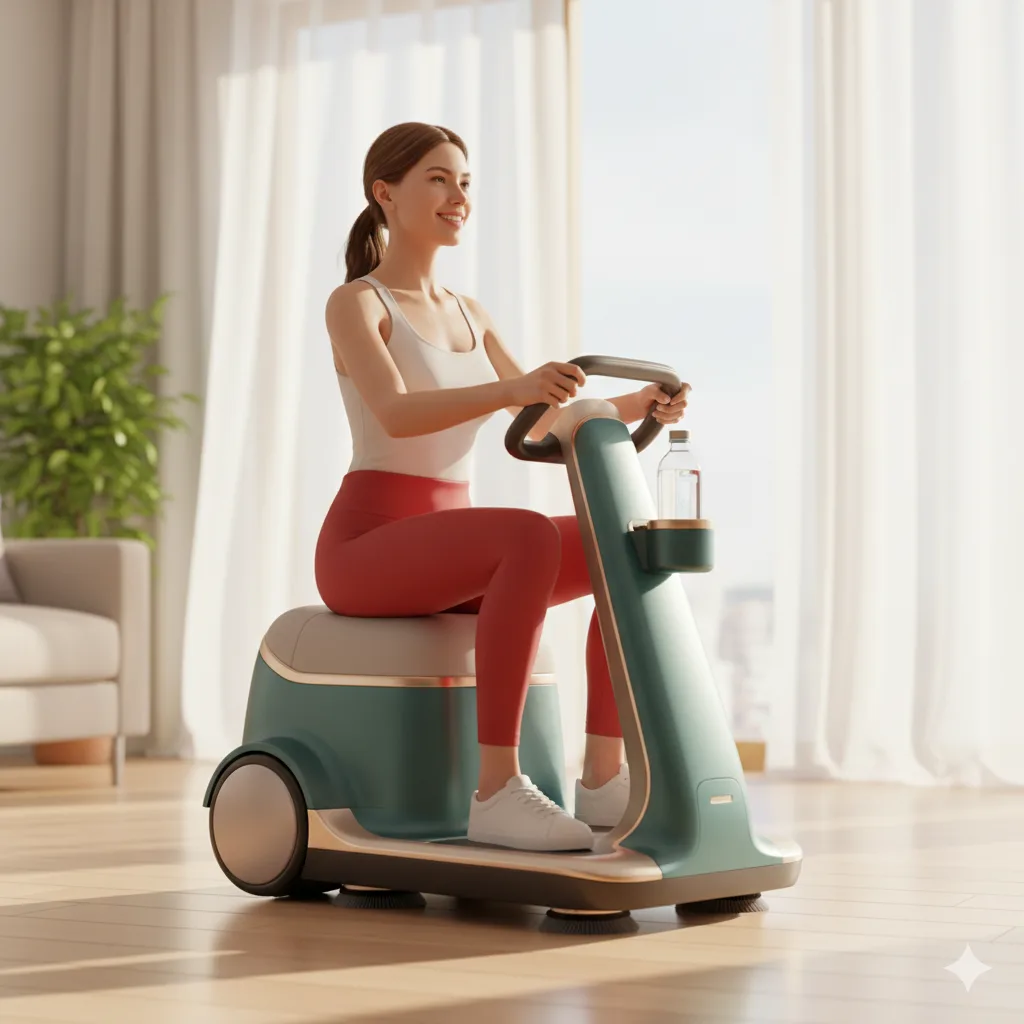
As you consider the future of your cleaning operations, look beyond the traditional. Explore how innovative solutions can elevate your standards and empower your team. For more insights into cutting-edge design and technology that can transform your work and home life, subscribe to the Inspiring Designs Work newsletter and stay ahead of the curve.
Frequently Asked Questions
Where can I purchase the best riding vacuums for my business?
You can purchase high-quality riding vacuums from specialized industrial cleaning equipment suppliers, both online and through local distributors. Brands like Tennant, Kärcher, and Advance offer a wide range of models, and it’s best to consult with a sales expert who can help match a machine’s specifications to your facility’s specific needs, such as floor type and square footage.
How much do riding vacuums typically cost?
The cost of riding vacuums can vary significantly based on size, power source, and features. Smaller, entry-level battery-powered models might start around $5,000, while larger, industrial-grade machines with advanced filtration and wider cleaning paths can cost upwards of $20,000. It’s important to view the price as a capital investment that generates returns through saved labor costs.
Are riding vacuums safe for use by any staff member?
While riding vacuums are designed with user-friendly controls, proper training is essential for safe and effective operation. Reputable manufacturers and suppliers offer comprehensive training on maneuvering the machine, daily maintenance checks, and safety protocols. Ensuring operators are properly trained will maximize the machine’s lifespan and prevent accidents.